


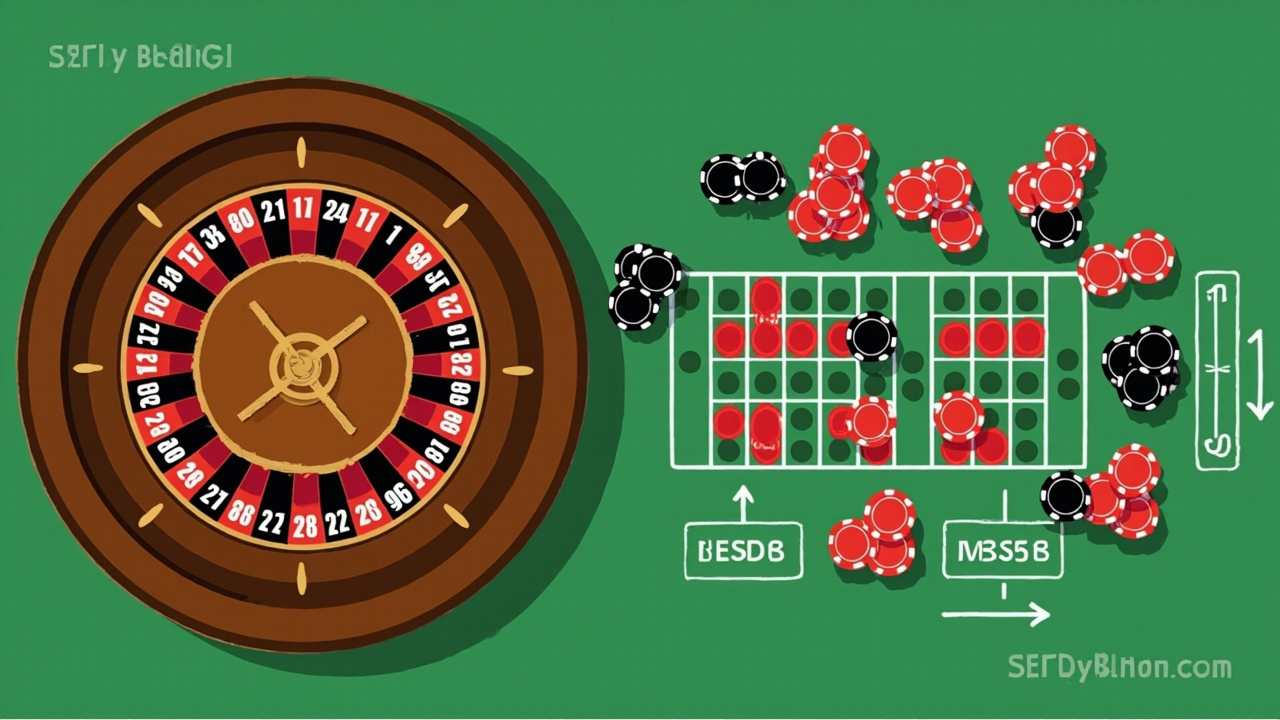
If you’re weighing up roulette sector betting at a local-facing brand, the real question isn’t which bet pays better on a single spin – it’s whether the platform actually supports how you want to play. We’ve looked at how sector coverage, table limits, and signup friction stack up for an Australian player who wants a clean first session without second-guessing the fine print. The short version: pick the operator whose limits, verification pace, and payment options match your bankroll and your patience, because a flashy lobby means nothing if the first deposit stalls on a Tuesday arvo.
Focus on Table Structure and Sector Coverage
The core of any roulette sector betting decision is what you’re actually allowed to cover once you’re seated. Some tables treat sectors as a tidy side bet alongside straight numbers and splits; others bundle them into higher-limit tables where the minimum on a sector cover can outpace a casual session bankroll. The practical test is simple: can you build a sector spread that fits your staking plan without being forced into a table minimum that burns through your roll before the first dozen spins?
Down Under, the pace and presentation tend to favour tables that feel familiar to anyone who’s spent an arvo at a brick-and-mortar venue – clear layout, readable sector markers, and limits that don’t swing wildly between tables. Overseas, the same game often gets dressed up differently. In parts of the US and Europe, you’ll commonly see sector-style coverage baked into higher-stakes tables or packaged alongside multi-wheel formats, with minimums that assume a bigger session bankroll and a player who’s already comfortable sizing bets by the spin. That overseas setup can suit a player chasing structure and depth; it can also punish anyone who just wants to test a sector pattern without committing to a table edge that’s priced for a different crowd.
The brand we’re looking at keeps sector coverage on standard tables rather than locking it behind premium limits, which matters if you want to trial a sector approach before scaling up. The game panel uses providers that render the wheel and sector markers cleanly on both desktop and mobile, so the same bet layout you read on a laptop holds up when you’re checking in from a phone on the train into Brisbane. That consistency is the kind of detail that separates a usable table from one where you’re second-guessing whether the screen is hiding a limit change.
| Detail | What it looks like |
|---|---|
| Positioning | Standard roulette tables with sector coverage available on base bets |
| Providers | Multiple live and RNG roulette titles with clear sector markers |
| Bonus mechanics | Match-style offer with a clear wagering path before withdrawal eligibility |
| Payments | AUD-friendly options including card and selected digital wallets |
| Registration | Short form with age and identity checks before first deposit |
| Mobile | Same table access and bet limits as the desktop lobby |
| Support | Live chat and email with reasonable response windows |
| Loyalty | Points-style rewards tied to eligible play rather than a flat referral bonus |
Registration, Verification, and the First Session
Signup should take minutes, not a small afternoon, and the eligibility check needs to happen up front so you’re not halfway through a deposit only to learn the account needs more paperwork. A clean registration flow asks for the basics, confirms you’re 18+, and flags any verification documents before the first deposit rather than after. That order matters: if the platform waits until money is in to ask for ID, you’re sitting on a balance you can’t actually use yet, which is the last thing you want when you’re trying to settle into a roulette sector betting rhythm.
Verification itself should be straightforward for an Australian player – standard identity checks, a clear upload path, and a reasonable turnaround instead of a black box where you resend the same file three times. Once the account is cleared, the first deposit needs to land in a currency and method that doesn’t quietly introduce conversion friction. For a Brisbane-based player, that usually means an AUD path that keeps the numbers on the screen close to the numbers in your wallet, so your staking plan isn’t being reshaped by a hidden exchange step.

Finding a platform that respects that flow means comparing the finer details of withdrawal speed and fee transparency. You can review how luxon pay casino manages these standards before committing your funds. That level of clarity removes the guesswork from banking, letting you focus on the games instead of the admin.
Bonus activation is where a lot of operators lose the plot. A usable first-session offer has a wagering requirement you can actually map to your roulette play, not a clause that quietly sidelines sector bets or pushes you toward a different game family to clear it. The better setup is one where the bonus terms are readable before you opt in, the contribution rules for roulette are stated plainly, and the path to a withdrawal-eligible balance doesn’t require you to memorise a maze of conditions. If you’re testing a sector approach on a modest bankroll, you want the bonus to support the session, not become a second project.
From there, the first play should feel like a continuation of the signup, not a fresh hurdle. You should be able to pick a table, read the sector limits, set your stake, and place the bet without the interface hiding a minimum that’s different from the one advertised in the lobby. That’s the moment where the operator earns or loses trust – not on the spin itself, because no one should be pretending a sector layout turns roulette into a predictable income stream.
Linking Sector Play to How You Actually Bankroll
The reason roulette sector betting gets interesting for a practical player is that it sits between blind number-chasing and full-table coverage, which means your staking plan has to account for both variance and table limits. If the minimum on a sector cover is too high relative to your session bankroll, you’re not really playing the sector – you’re just funding a table minimum with extra steps. The right fit is a table where the sector bet size lets you spread coverage without turning the session into a speed run through your roll.
That’s also where the operator’s payment and currency setup stops being background noise and starts being part of the decision. An AUD-friendly path with a clear first-deposit flow keeps your bankroll maths honest, and a bonus with readable wagering terms means you’re not accidentally locking yourself into a clearance pace that doesn’t suit roulette. For a player who wants to trial sector coverage without overcommitting, those details matter more than a lobby packed with titles you’ll never open.
I’ve written enough across casinos and markets to know the pattern: the operators that hold up are the ones where the practical stuff – limits, verification timing, payment clarity, bonus terms – lines up with how a real player actually budgets a session. That same judgement call shows up in trading content, where the difference between a usable setup and a glossy one is usually whether the costs and constraints are visible before you commit. Roulette sector betting isn’t different in that respect. The table can look tidy, but if the limits, verification, and bonus mechanics don’t match your bankroll and your patience, the session goes sideways before the wheel even picks up speed.
What you’re really choosing is a platform that lets you test a sector approach on terms you can read and a bankroll you can manage, with verification and payments that don’t turn the first session into a paperwork project. If that lines up, you’ve got a setup worth a proper first spin; if it doesn’t, no amount of lobby polish fixes the gap.